Patrik — "Beyond the Lines"
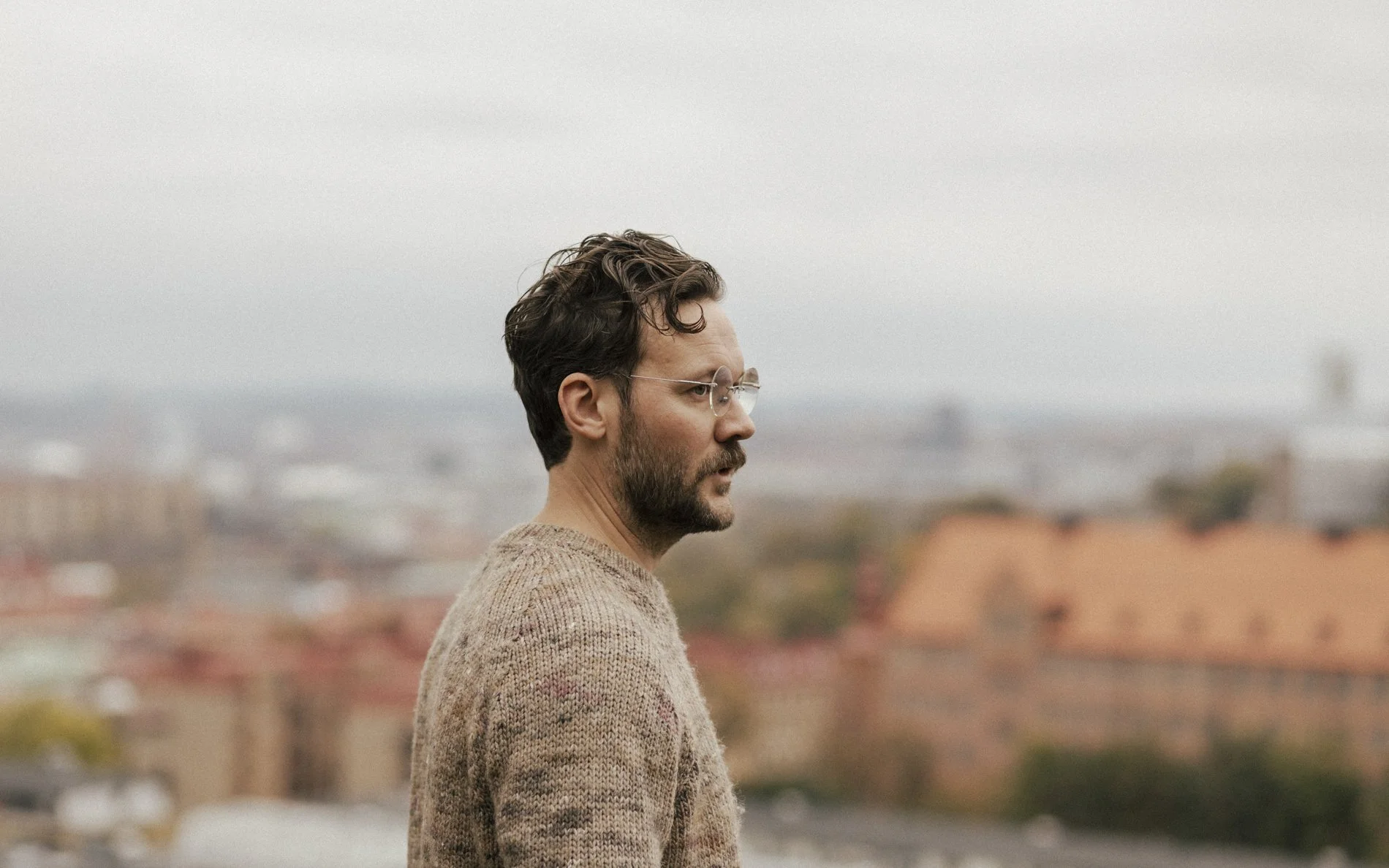
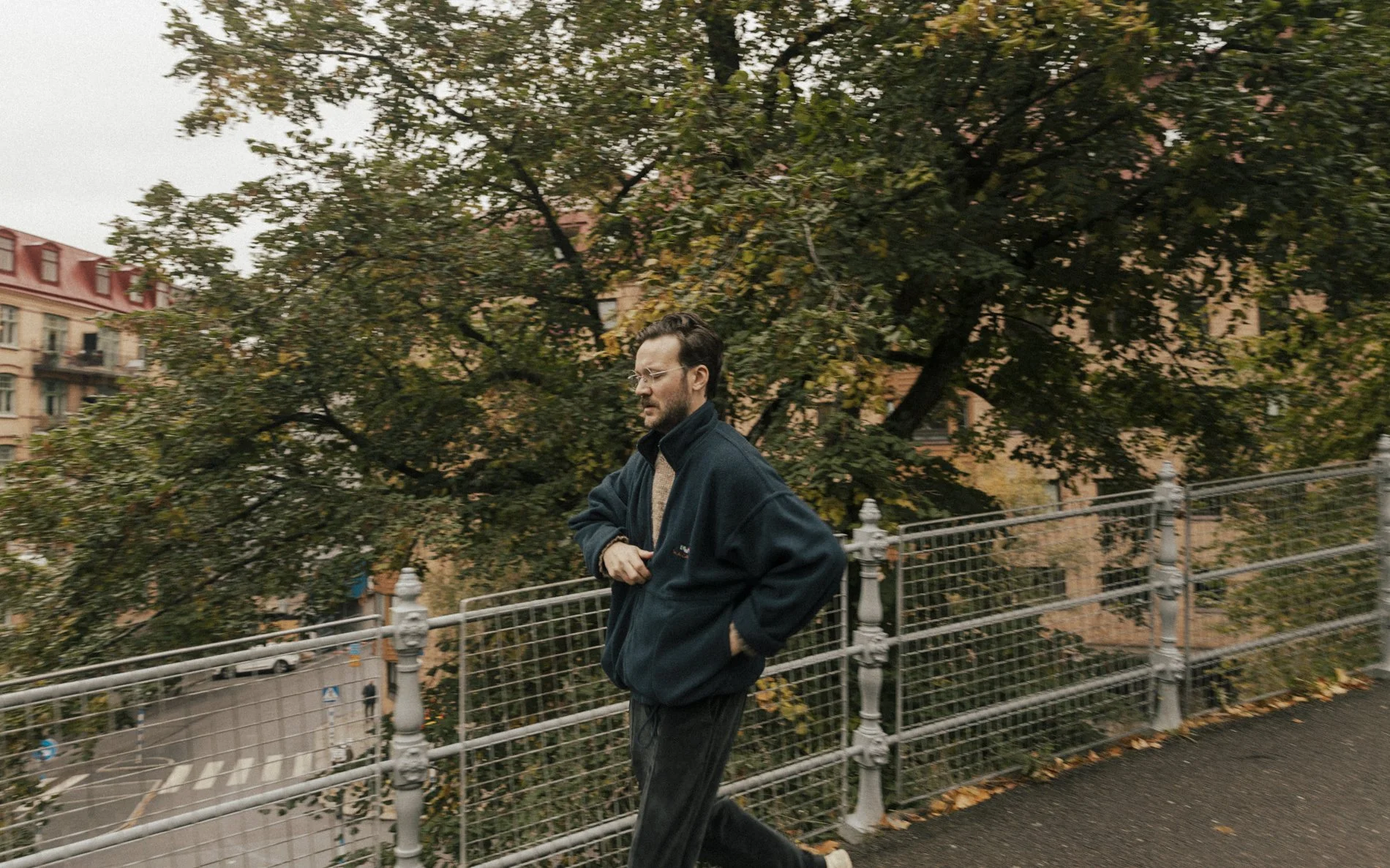
Patrik overlooking Majorna, a bohemian and creative part of the city of Gothenburg
Patrik has been on my radar for quite some time. I can recall several occasions scrolling through my Instagram feed and suddenly stopping whenever one of his creations appeared on the screen. I’ve often found myself pondering over his posters, book covers, and sketches — moments that eventually led to this interview.
Patrik replies to my DM right away, and what stands out is how promptly and clearly he communicates — in my experience, straightforward and transparent communication within the creative field is often, to put it simply, missing.
The 44 year-old creative welcomes me into his apartment in the charming hills of Masthugget, a part of Gothenburg that was once home to many of the fishermen who worked the docks. Patrik is incredibly inviting, talking about his family with genuine warmth. I’m served an espresso and a classic cardamom roll by the kitchen table as we ease into the conversation. Patrik speaks candidly — and at length — about growing up in a small rural community, far from the wider world. He recalls precariously navigating his way through the social dynamics of high school, searching for a voice and a sense of belonging, only to find himself starting and quitting multiple lines of work and study before finally blooming into an award-winning graphic designer and illustrator.
About
Name: Patrik Svensson
Age: 44
Lives: Gothenburg, Sweden
Occupation: Illustrator and graphic designer
Highlights: Book cover for Margaret Atwood’s The Handmaid's Tale and Tara Westover’s memoir Educated. Patrik’s work has been awarded by Communication Arts and Society of Illustrators.
Education: Graphic design and interactive media
Family: Wife (Tove), Kids, Bodil (9) and Sören (7)
I ask him if he has always felt that he had something to say.
-Yes, he answers, both in terms of writing and as an illustrator, but it’s a bit hard to pin down. He’s very comfortable in the designer and illustrator role. He likes the setup of being given an assignment and then filtering it through himself for an intended audience. A structured format works best for him, he explains. “I’ve always wanted to communicate something, but I’ve been searching for the right form for it,” he says.
“I consider myself security-seeking, and I definitely have an anxious side, but also a sort of business mindset and strive to move forward.”
“I don’t know if it’s a disposition or a personality trait, but I’ve always liked the school’s boxy, structured format and being part of the machinery. I like having a function — going to work — there’s something very clear about that which appeals to me. I consider myself security-seeking, and I definitely have an anxious side, but also a sort of business mindset and strive to move forward,” Patrik tells me. Perhaps both sides feed each other in some weird, paradoxical way. Thinking about it, he explains that it may be the tension between them that drove him towards pursuing a freelance career. Some weeks are filled with more worry than others for sure, but he tries to surrender and realize all things must pass.
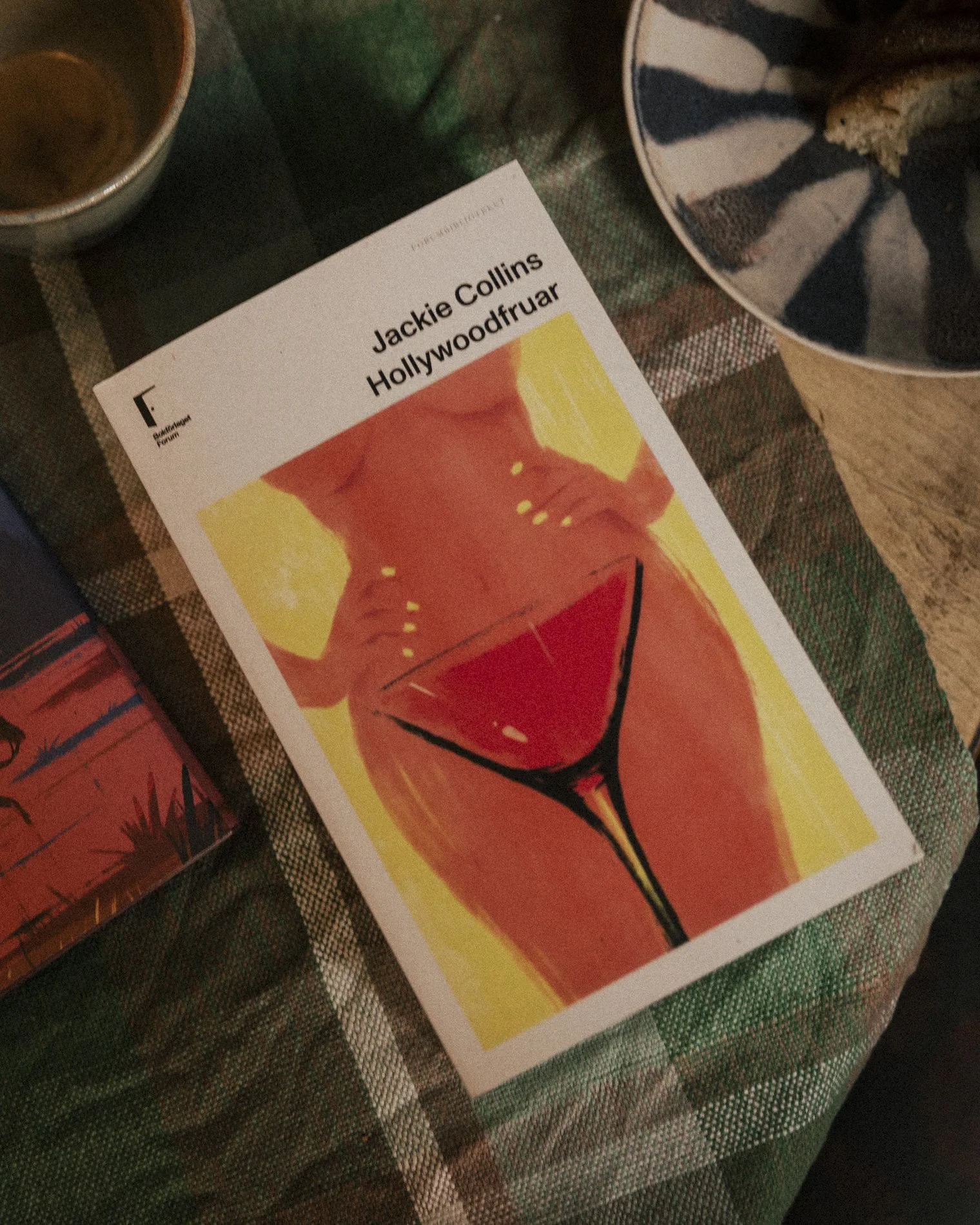
Cover for Hollywood Wives by Jackie Collins
“They wanted a bit more of a ‘fuck you’ attitude, but I thought, ‘isn’t it already there?’ ”
Patrik disappears for a moment, returning with a stack of books from another room. “This one,” he says, holding up a copy of Hollywood Wives. “Jackie Collins is something of a legend when it comes to chic lit. I don’t usually get this kind of assignment when it comes to books,” he says, referring to the genre. “It contains a lot of sex and is set in a wealthy Hollywood milieu.” He points to the cover: a deeply tanned woman, defiant, hands on hips, barely dressed - if at all.
“They wanted a bit more of a ‘fuck you’ attitude, but I thought, ‘isn’t it already there?’ If you’re too explicit, you end up spelling things out for the reader. I showed them a version in the tone they asked for, but they ended up returning to the original one I’d made,” he explains, looking at the cover.
“Not being overly explicit is a crucial part of my work. The viewer should feel a little smart—you shouldn’t just have everything served to you. As a consumer, I really appreciate that part,” he continues.
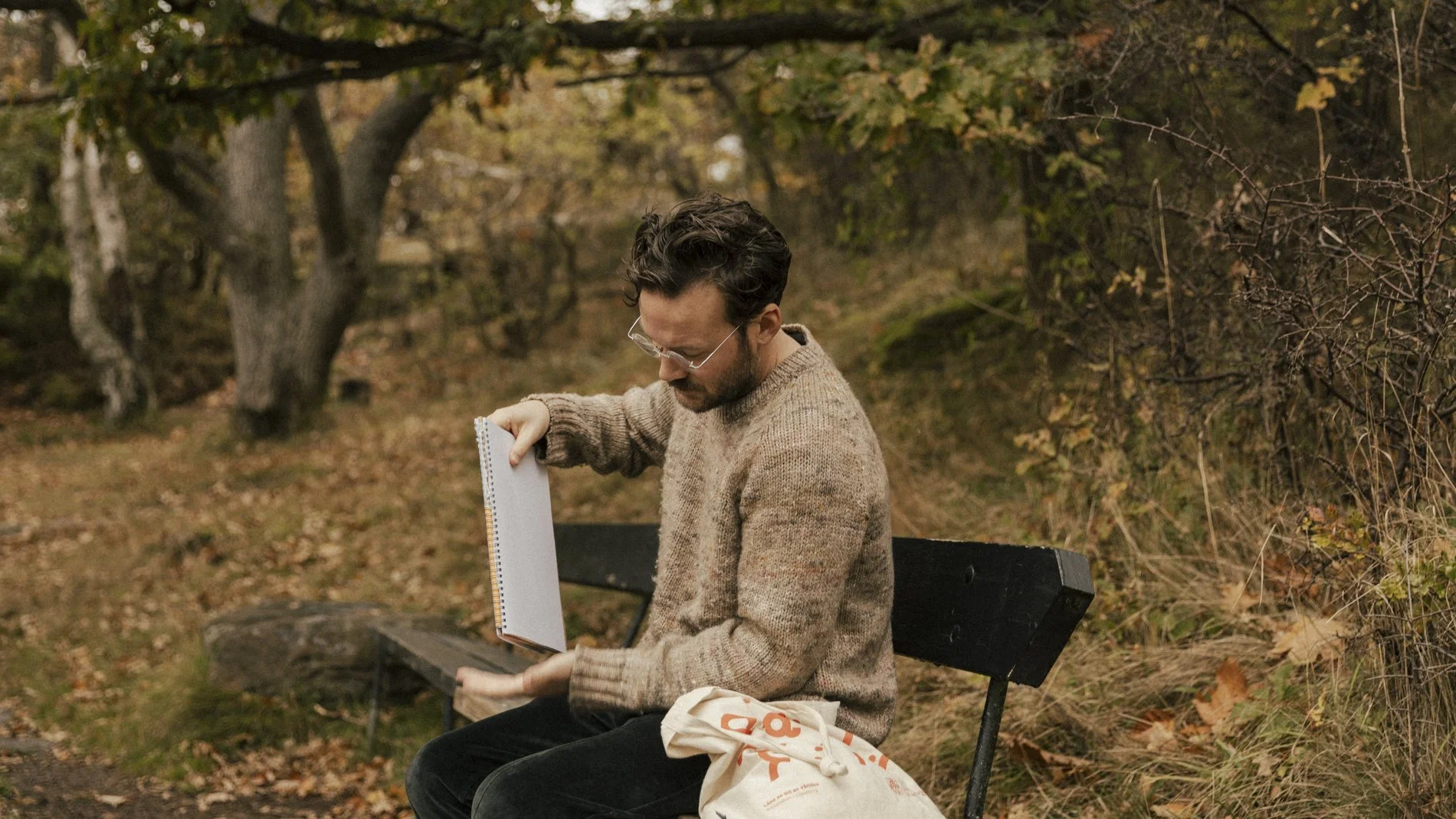
Sketching, on paper or just inside his head: the foundation of Patrik’s creative process.
“I was just one of the crowd, always more of an observer. But at the same time, I felt like my time would come — that I would eventually find my way.”
Patrik reflects on his childhood, sharing what it was like growing up in a small village in Småland, south Sweden. “I grew up in Långasjö, a quiet community near Emmaboda,” he says. “In many ways, I had a calm, secure upbringing. I’m a middle child, with an older sister and a younger sister.”
Like most kids in his village, Patrik spent his time playing football, sledding in the winter, and playing bandy until nightfall. “Sports was a big part of my life back then,” he explains. “Everyone knew everyone, and a few times a year, the parents on our street would organize a neighbourhood street party.”
Despite always having good friends, Patrik also valued his alone time. “I spent a lot of time tinkering around on the computer,” he recalls. “I started with a Commodore 64 and those massive, thin floppy disks,” he says, smiling.
Another pastime that fueled his creativity was downloading music, making CD covers, and burning discs. “Even back then, I had an interest in aesthetics and design,” he says. “And music has always been important to me.”
In high school, a bigger world began to open up. The school was 10 kilometers away, and taking the bus became a part of daily life. The group from Långasjö was tight-knit. Patrik remembers being terrified of the ninth-graders, “I was just one of the crowd, always more of an observer. But at the same time, I felt like my time would come — that I would eventually find my way. It’s strange, that feeling of having an inner world you want to communicate to the outside world, but not quite being able to get it across.”
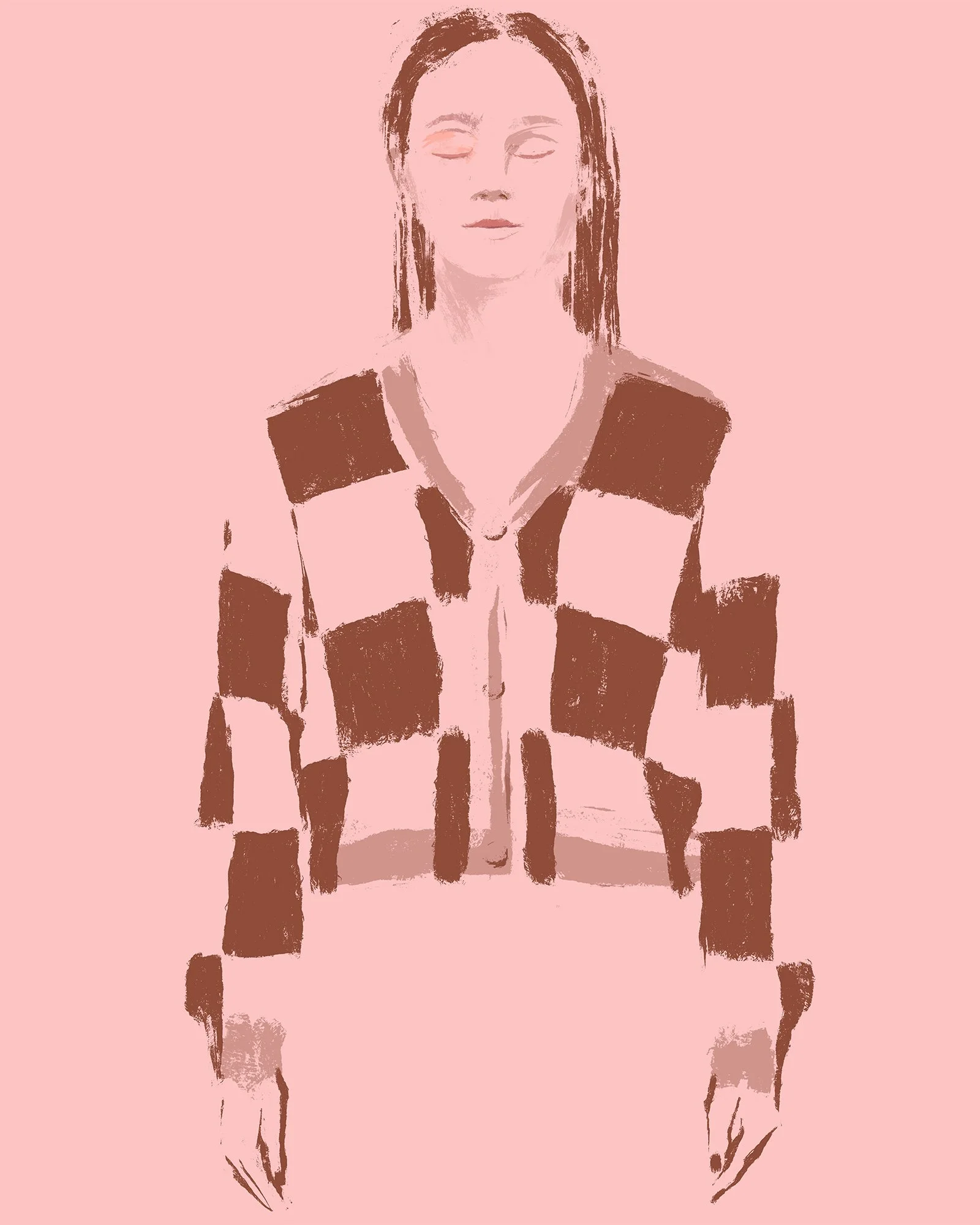
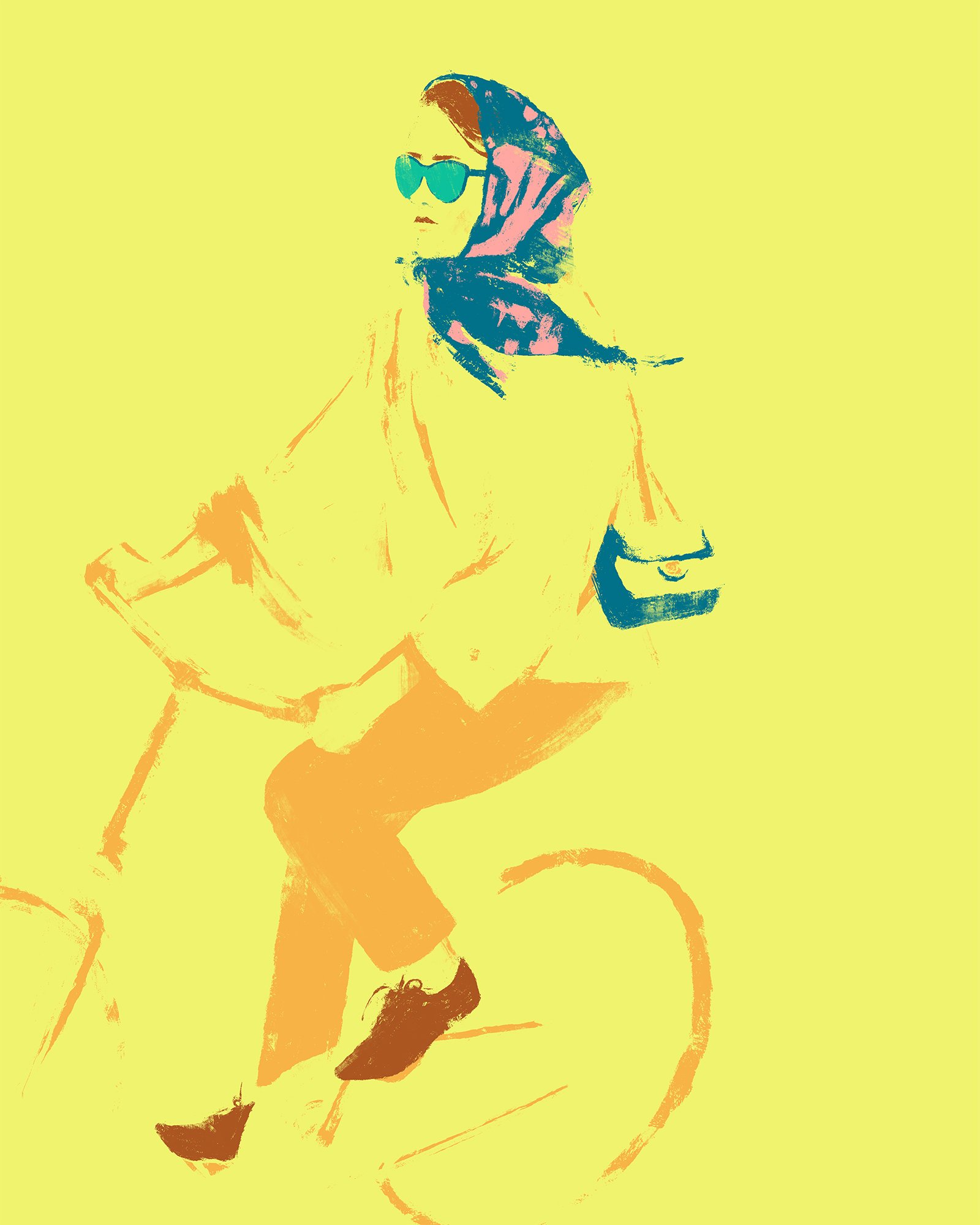

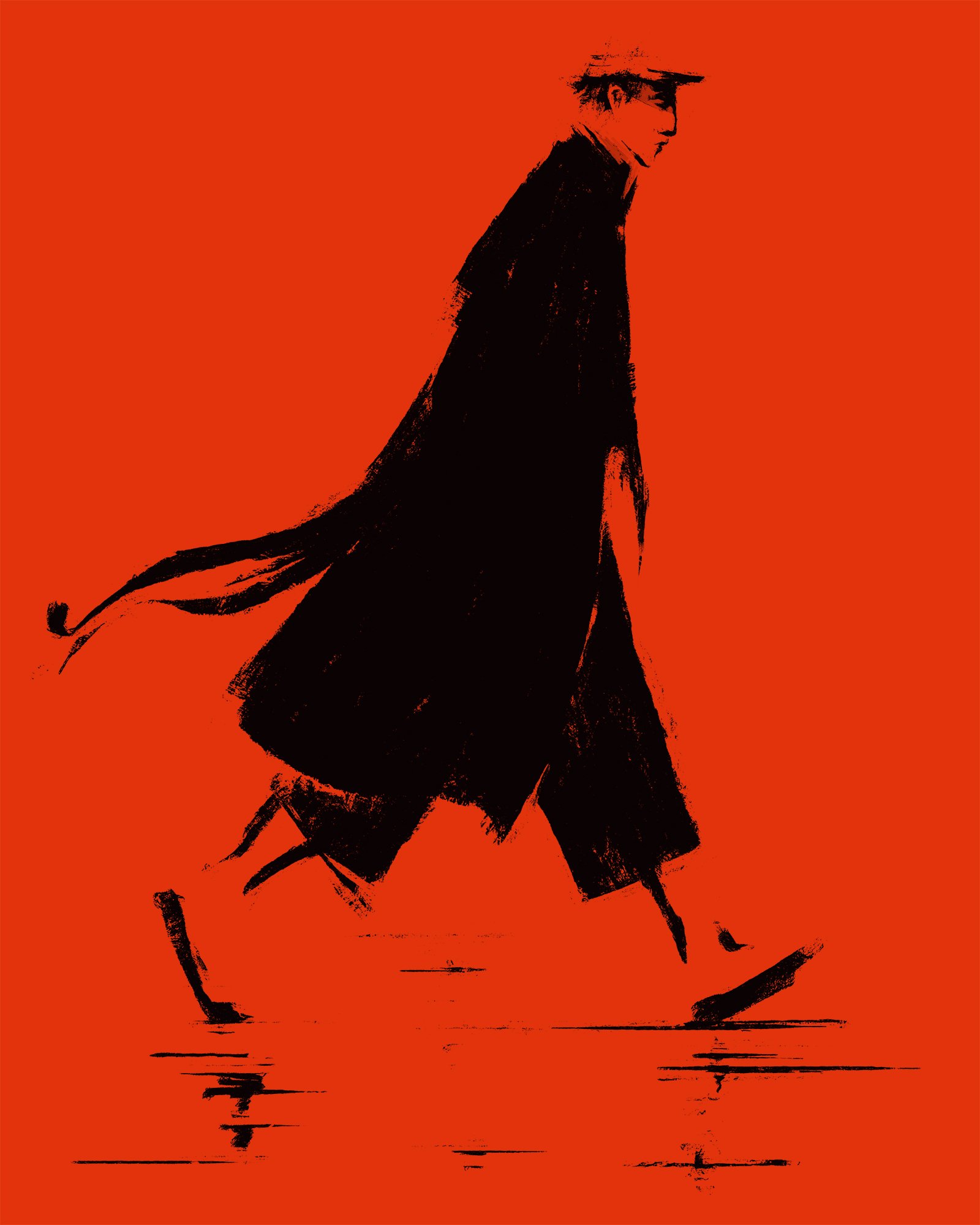
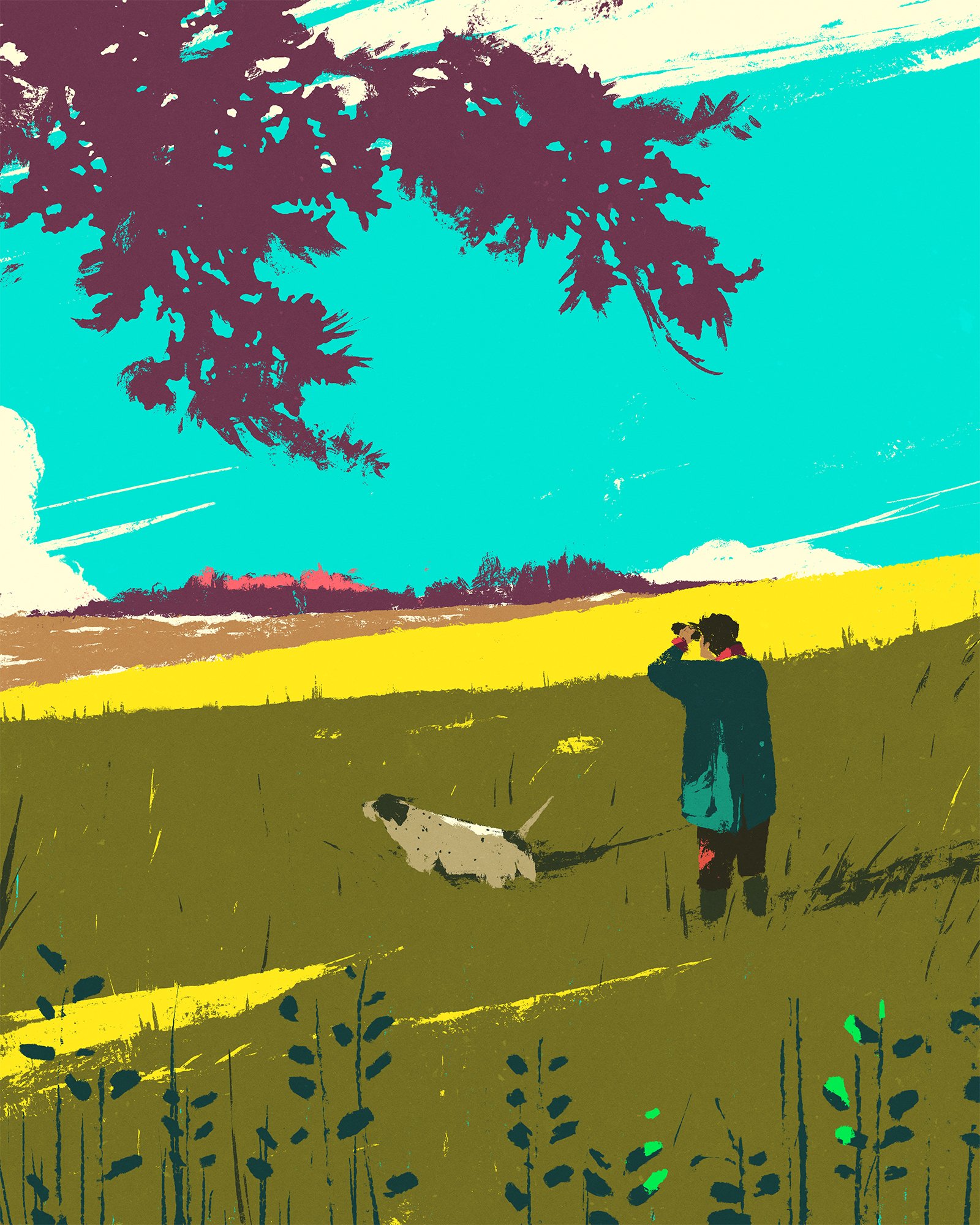

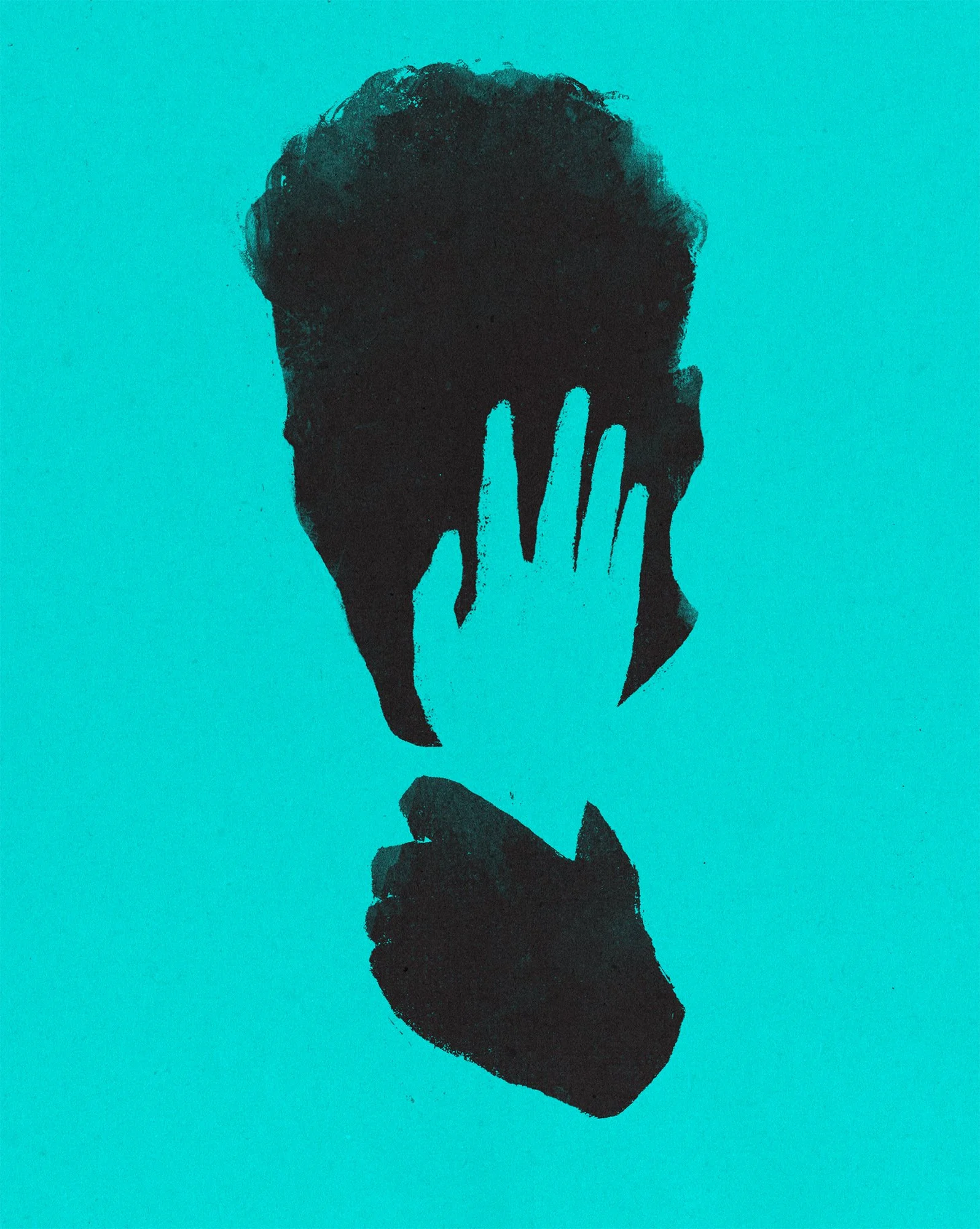
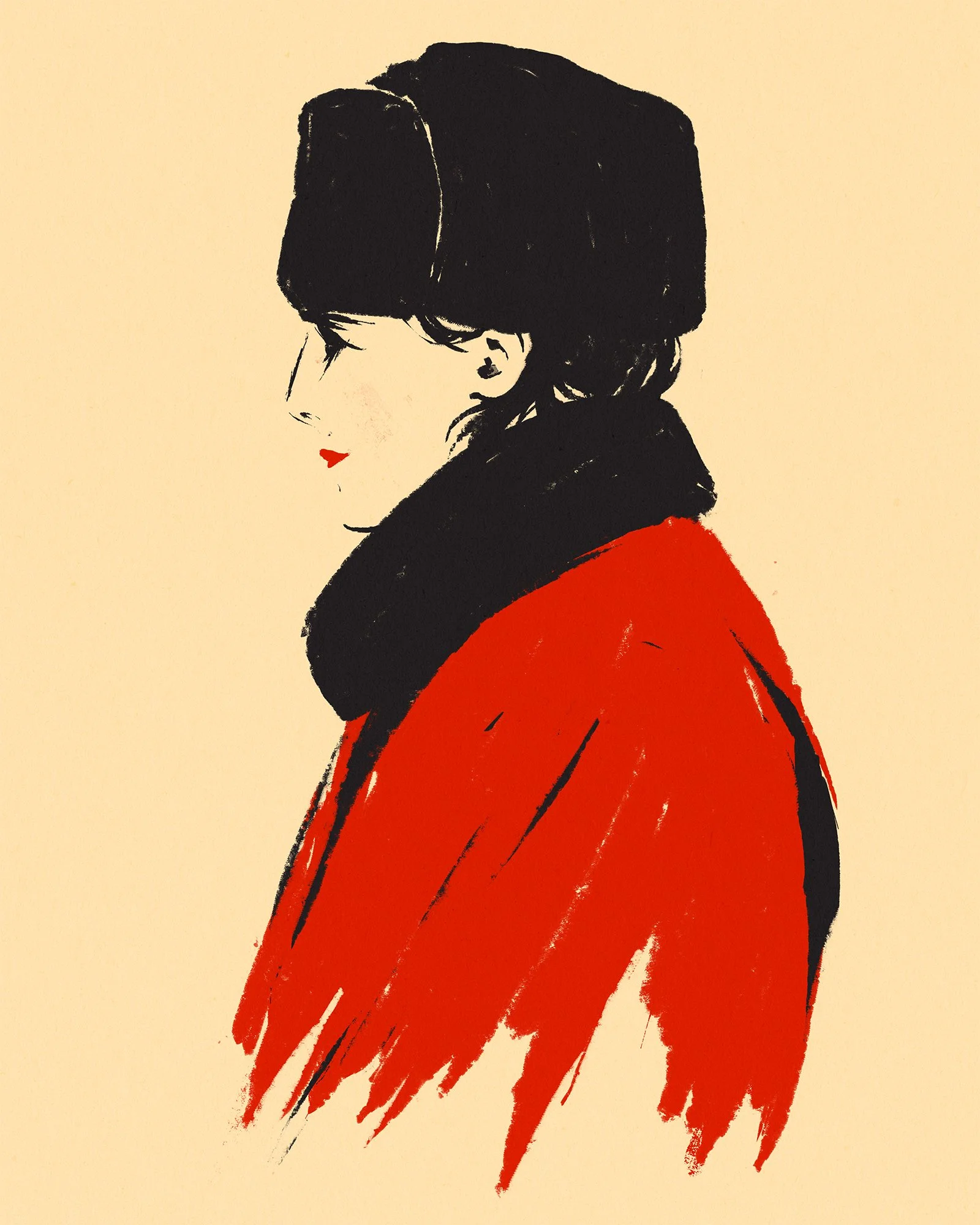
Sitting across from Patrik at his wooden kitchen table I quickly get a sense that he is detailed and doesn’t mind dwelling on niche matters, like, for example, what different angles of a hand might signal (in reference to acting). And he doesn’t mind questioning what he’s just said, which adds a certain humility to him.
I ask him to explain what he does as a designer and an illustrator.
“I think of graphic design more than just images and text. To me, the ambition is to tell a story, whether it’s a poster for a play or a magazine cover”, he explains. Sometimes the client just needs an illustration but I love getting the whole project —I like seeing the big picture. Maybe there’s a bit of a control thing there, too. Though I’ve let go of a lot of that lately. It’s easier when you realize you’re just one small piece in a much bigger game.”
“I’ve been at this for 14 or 15 years, and the flow of images just keeps growing. People’s attention spans are short—seconds, really—and that means you get filtered out. My image is just one in the crowd. You learn to let go.”
We talk about the level of creative freedom as an artist. He tells me, “I like having some constraints. There’s freedom in limitation, I think, a few boundaries are usually a good guide for my mind to start wander somewhere interesting. If it's too open, it's sometimes hard to even find a starting point. Also, it's funny, but if a client says, 'Do whatever you want!', my experience is that they tend to already have an idea in mind. But before revealing it to me, they want to see if I can beat it, in some way.”
“I’m inspired by that whole world: poses, the way fabrics move, a sense of motion and form, and a kind of minimalism, I suppose.”
“Who inspires you in the creative world,” I ask him.
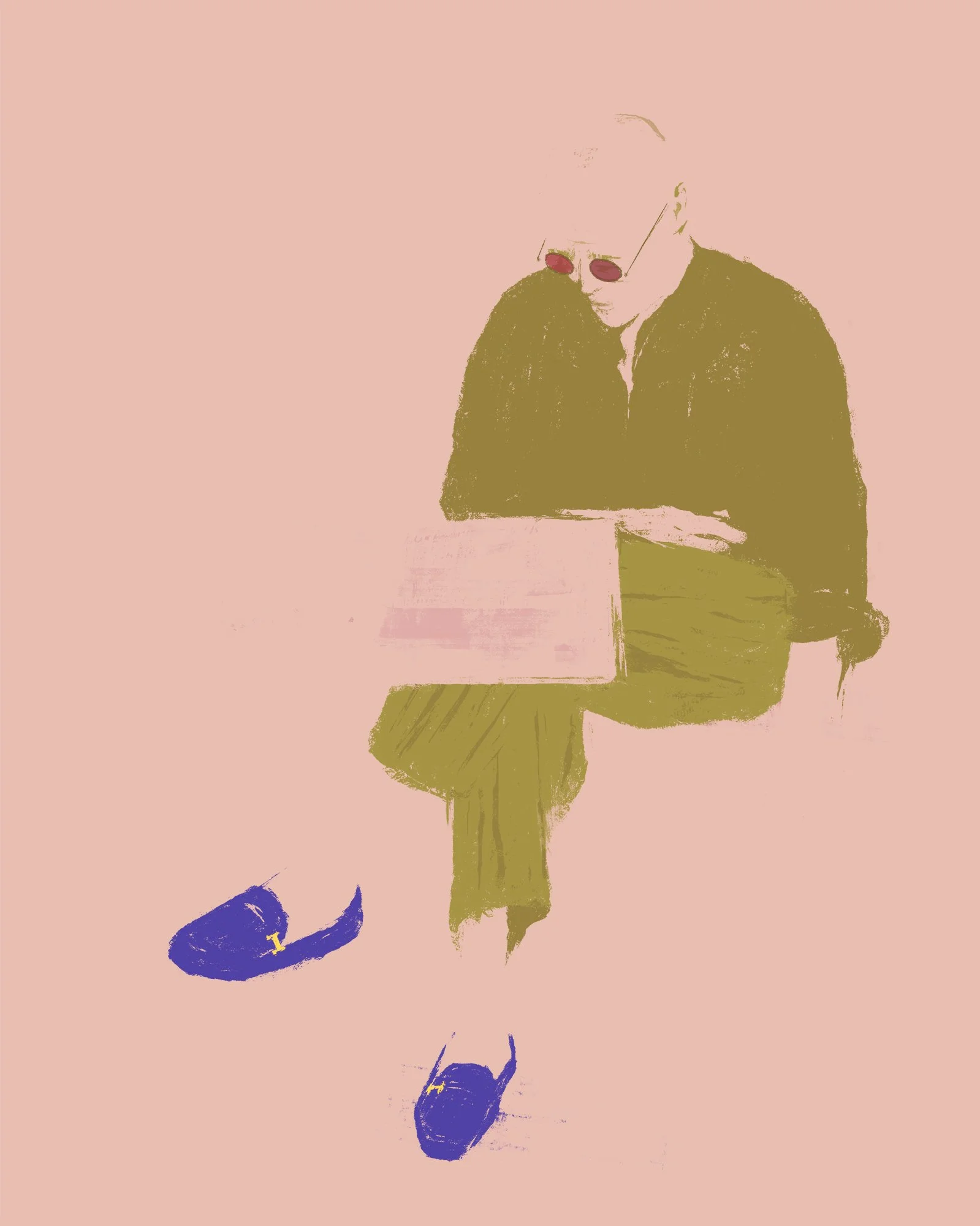
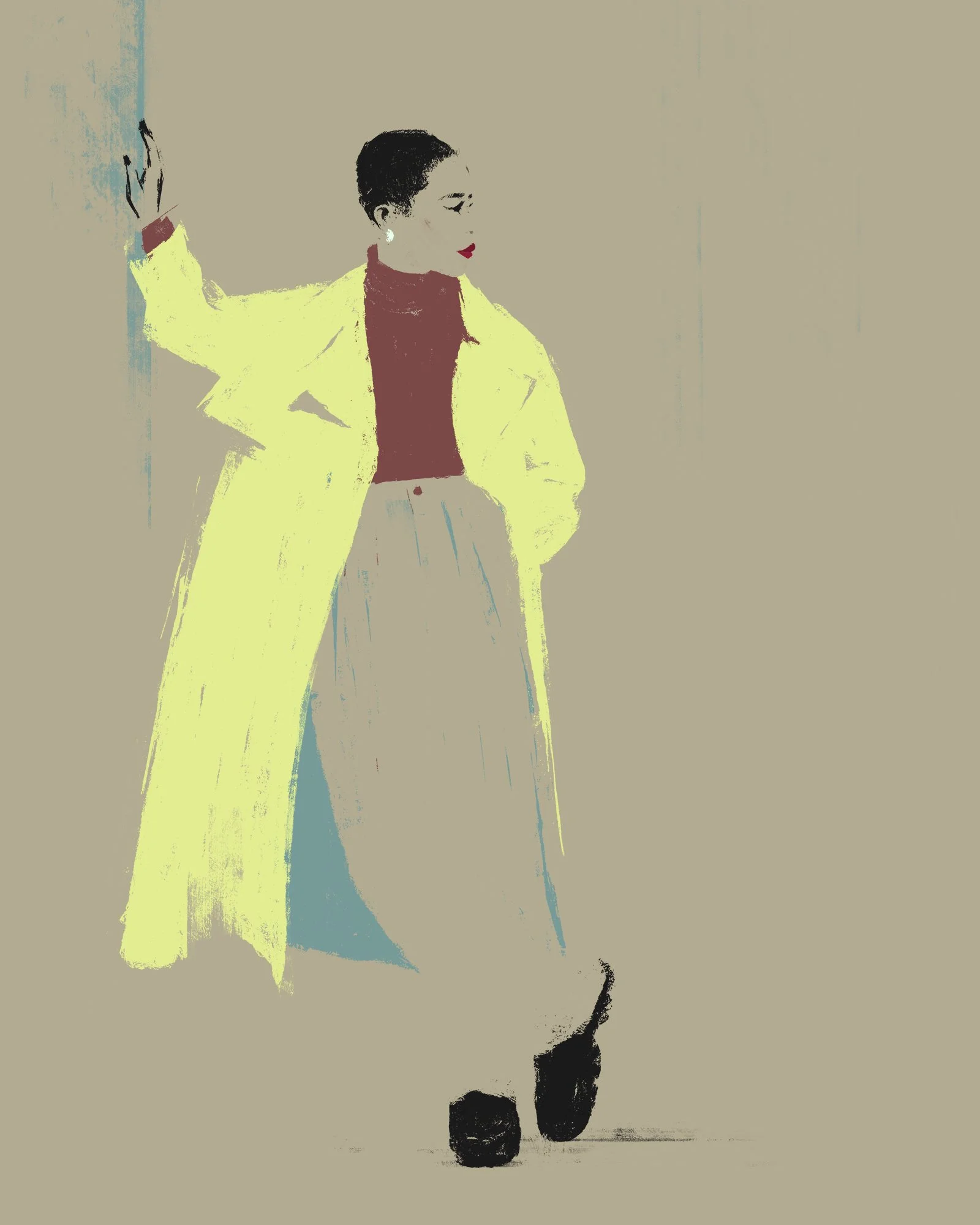
“In terms of other illustrators, there’s a Swede called Cecilia Carlstedt whose work I love. Her delicate sense of humans, postures and brush strokes is really one of a kind. I also return to René Gruau all the time, an Italian fashion illustrator in the 1940s, known for his simple visual language. There’s something timeless about his work, it makes me think of ancient East Asian art. He has what I strive for—that balance between rough and elegant.”
“I’m inspired by that whole world: poses, the way fabrics move, a sense of motion and form, and a kind of minimalism, I suppose.”
“I’m also inspired by Einar Nerman, the artist behind the Solstickan matchbox design. He finds that same balance between the graphic and the handmade, or painted. I could go on forever about inspirations—Malika Favre is another contemporary artist I admire, her sense of light and shadow, and blocks of colour.”
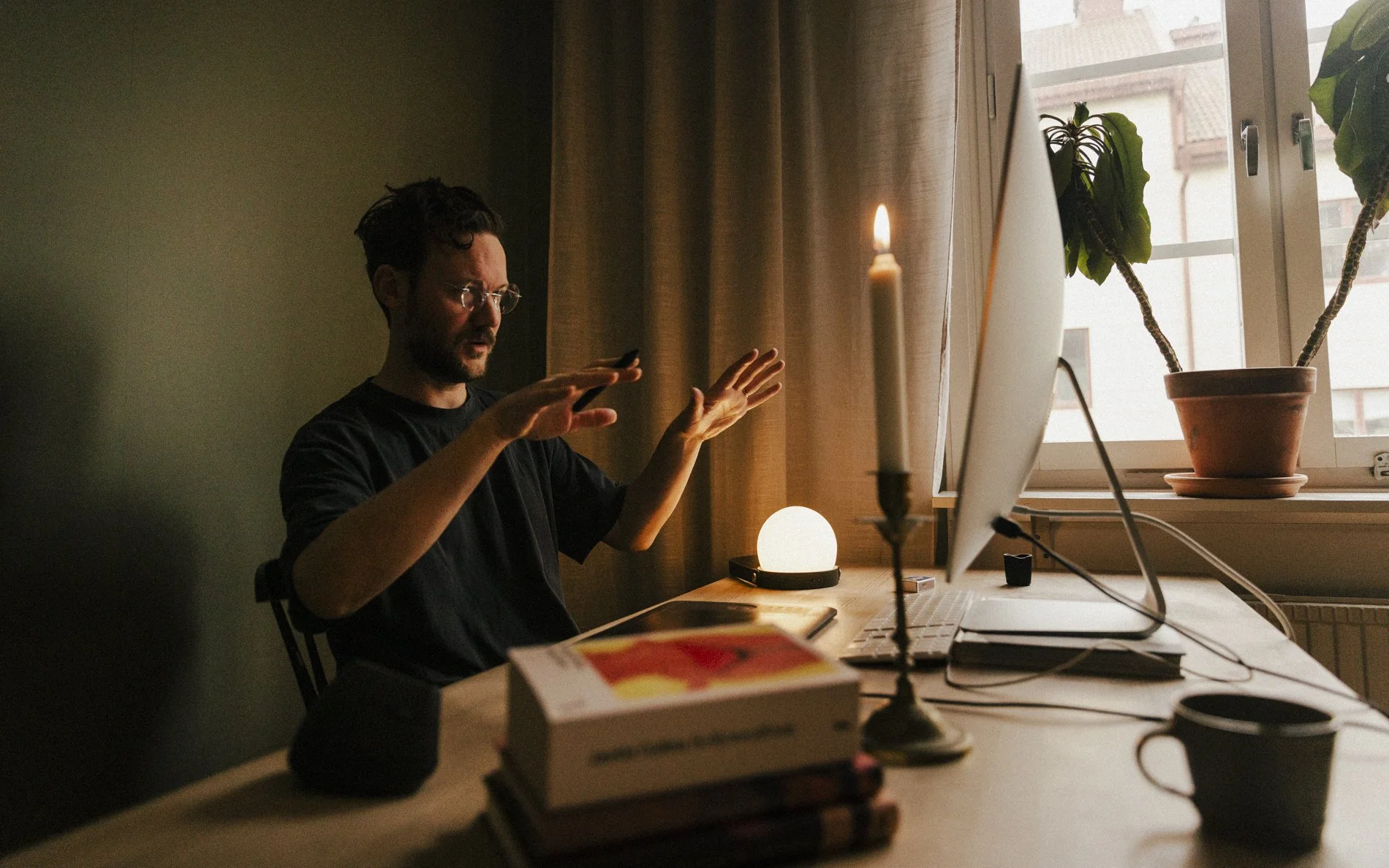
Patrik in his home office.
In high school Patrik had studied social sciences, though he says it wasn’t an easy choice—he had been hesitant and anxious about making the wrong decision. After high school, he bounced between jobs and studies—six months here, six months there.
Patrik had long been drawn to journalism and loved writing, but it wasn’t until he got into a writing school in Skurup that he finally found his place. Socially, he tells me, it was easy. The students skipped all the mandatory small talk. Instead, they dove quickly into art, culture, relationships, and emotions. Everyone lived on campus, so it felt almost like family. “For the first time, I felt like I could dig into my inner world. I’ve always wanted to communicate something, but I’ve been searching for the right way to do it,” he says.
“To me, every detail matters, so the work might still feel rough around the edges—but to the client, it can look almost finished.”
We talk about how freelance life can be quite solitary at times and I ask him if he ever needs a second opinion of his work.
“For me, my wife is my go-to sounding board. She’s a teacher and has a background in theater, so we often get into fascinating conversations about the visual—like what different angles of a hand might signal. She’s the perfect test audience: knowledgeable enough about my field to give meaningful feedback, but not so immersed that she loses perspective. Sometimes, I’ll send her a screenshot of what I’m working on and ask, “What do you see?” Other times, I’ll test ideas on my children. Kids notice things instantly—though sometimes what they see isn’t quite what I intended. “That can’t be a bird, Dad, it’s a leaf!””
Clients also serve as a valuable feedback source, he tells me. “I usually send them fairly polished sketches. To me, every detail matters, so the work might still feel rough around the edges—but to the client, it can look almost finished.”

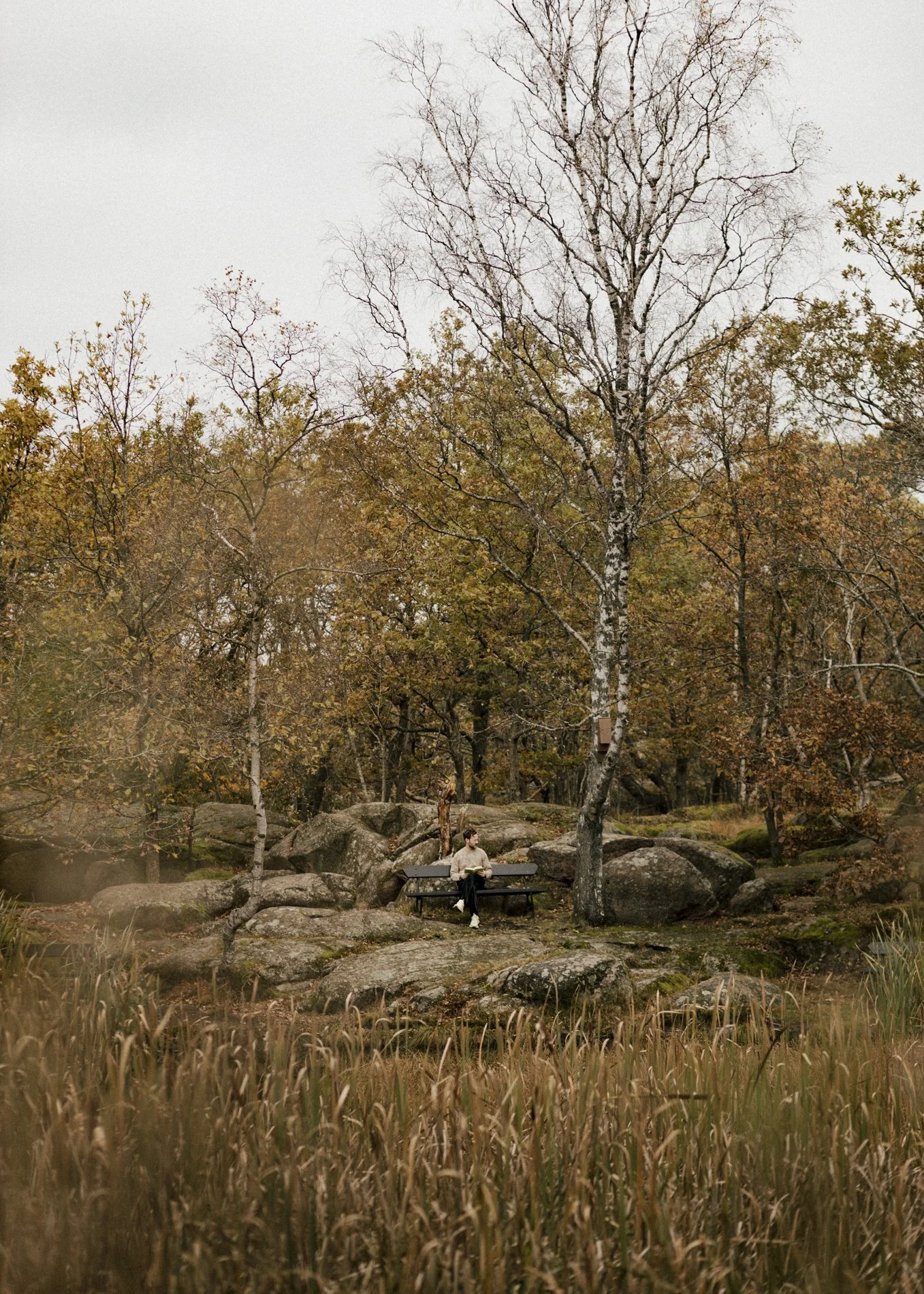
We talk about how Patrik gets assignments—pitching is one of his methods.
“I love the thrill of pitching!” he says, with a sparkle in his eyes. “I’ve pitched designs for Frozen, The Great Gatsby, and Beauty and the Beast, only to receive an email later saying the client had chosen someone else. In those moments, it stings—but I’ve learned to remind myself: it’s not personal. Sometimes, it just isn't the right fit for the client’s vision.”
I ask Patrik if he has any other interests and how they play into his craft.
“My interest in music has stayed strong since my teenage years. It’s the medium I feel most connected to as a consumer—much more so than images and design. It gets me right in the gut, so to speak. It could be anything from an upbeat Pet Shop Boys song, to soft rock from the 70s, or a classical Bach piece. To wind down, I listen to P2, something like “Text och Musik med Eric Schüldt”. He plays classical music and has poetic monologues between the tracks.”
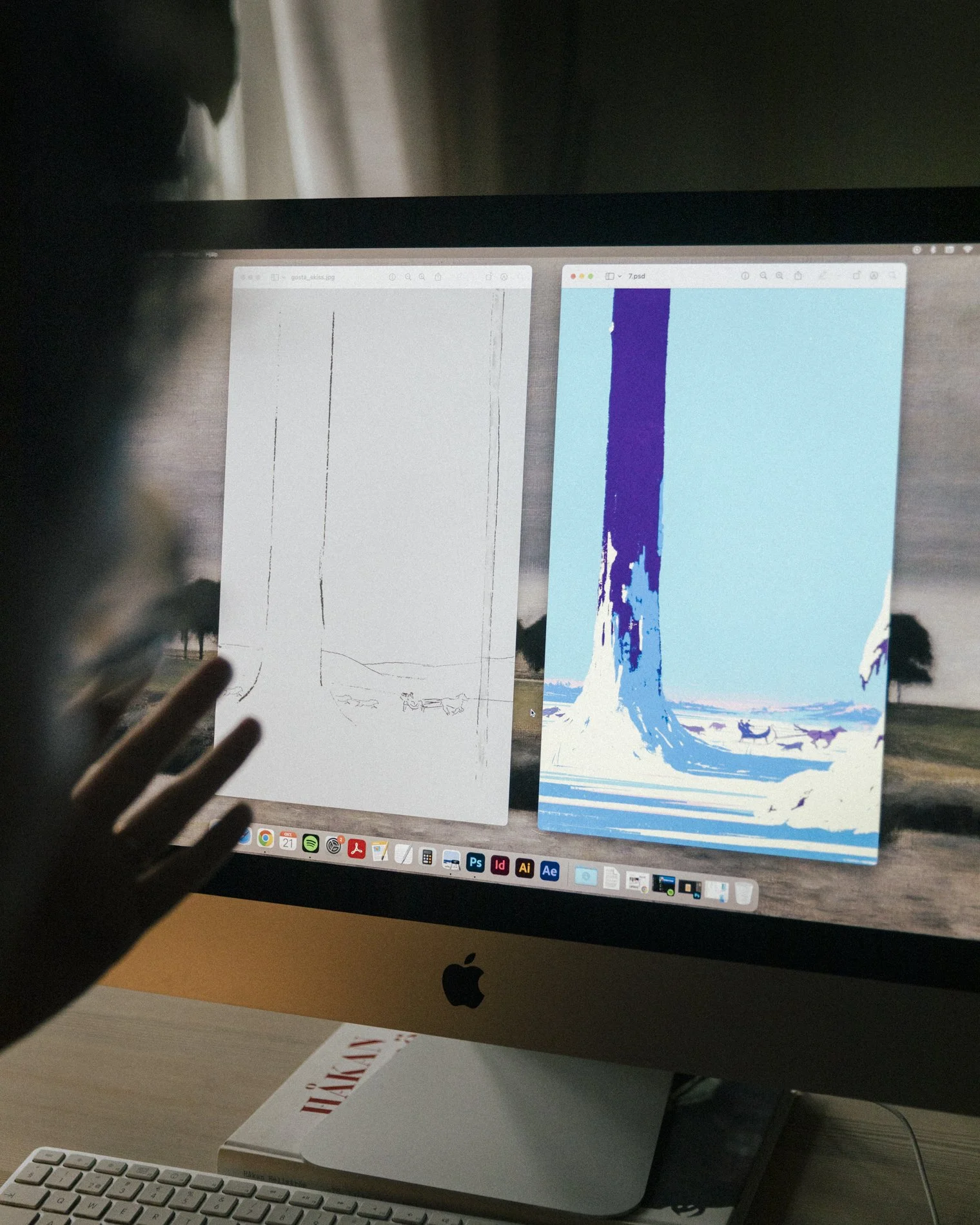
Patrik explains how he created the cover for Selma Lagerlöf's Gösta Berlings saga.
“As for the artistic process, I’m aware that it’s real work – craftsmanship and just getting shit done – but I also feel something almost mystical about it all, especially that moment when you realize a piece is finished. Even if no one else sees it, I just feel when an image is complete. It’s a quiet certainty. Perhaps, you can train yourself to recognize it. At the same time, I sometimes go back to a piece and adjust it just a tiny bit. Apparently the water colour artist Lars Lerin does this too—he’ll get out of bed and add a few brushstrokes to an old painting.”
The conversation moves over to freelance work again and Patrik brings up his need to always be in motion. “There’s a kind of emptiness when a job is finished. I put it behind me quickly and move on to the next project. It might be that I’m simply exhausted by the details. Or maybe it’s a kind of built-in restlessness—a desire to keep moving forward. Many people would probably say that I’ve stuck to a certain style throughout the years, but in fact I’ve experimented with many new forms of expression.”
“I think there is value in an image simply being appealing and beautiful in itself. In the beginning, I was so focused on it being smart or unexpected. ”
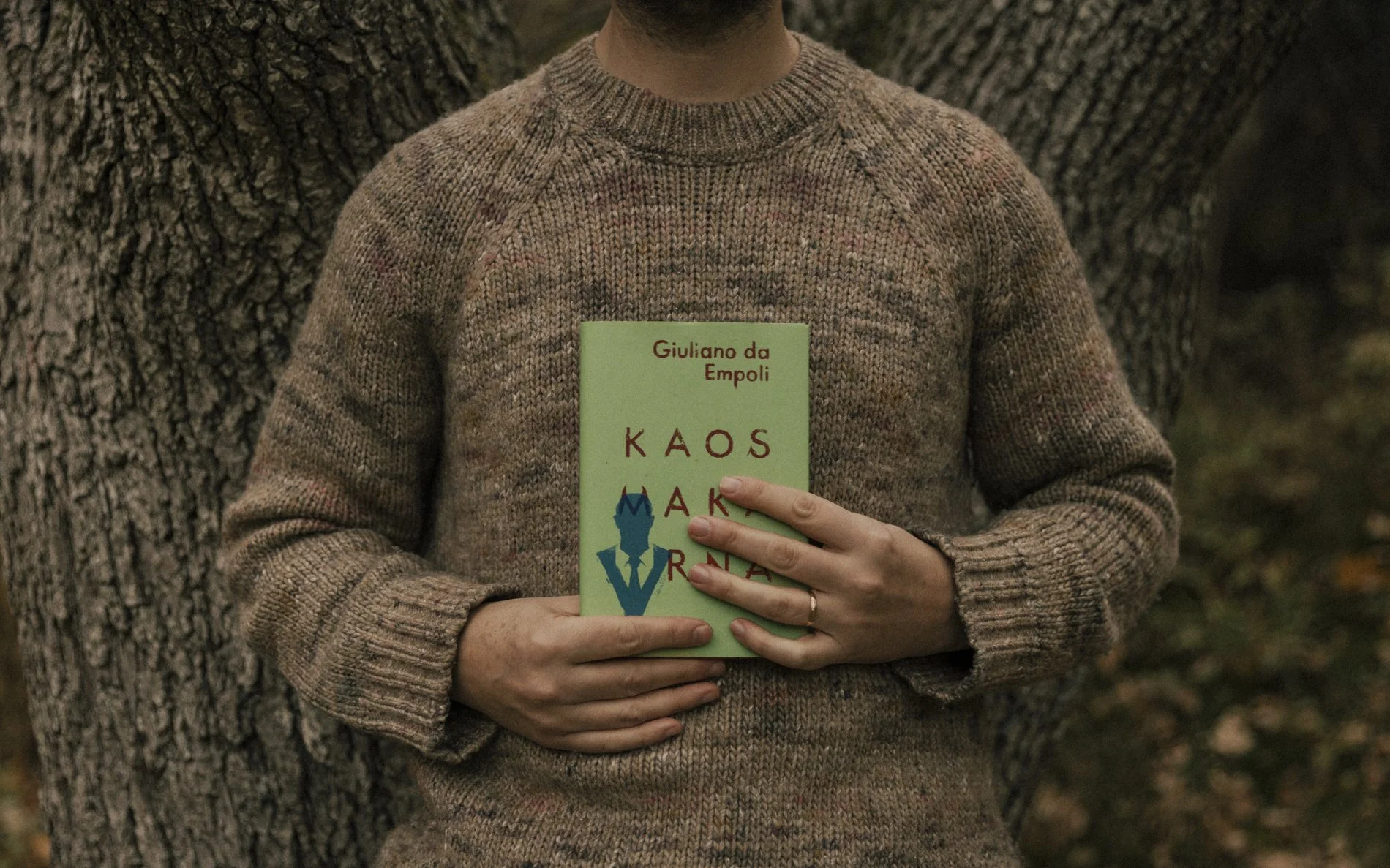
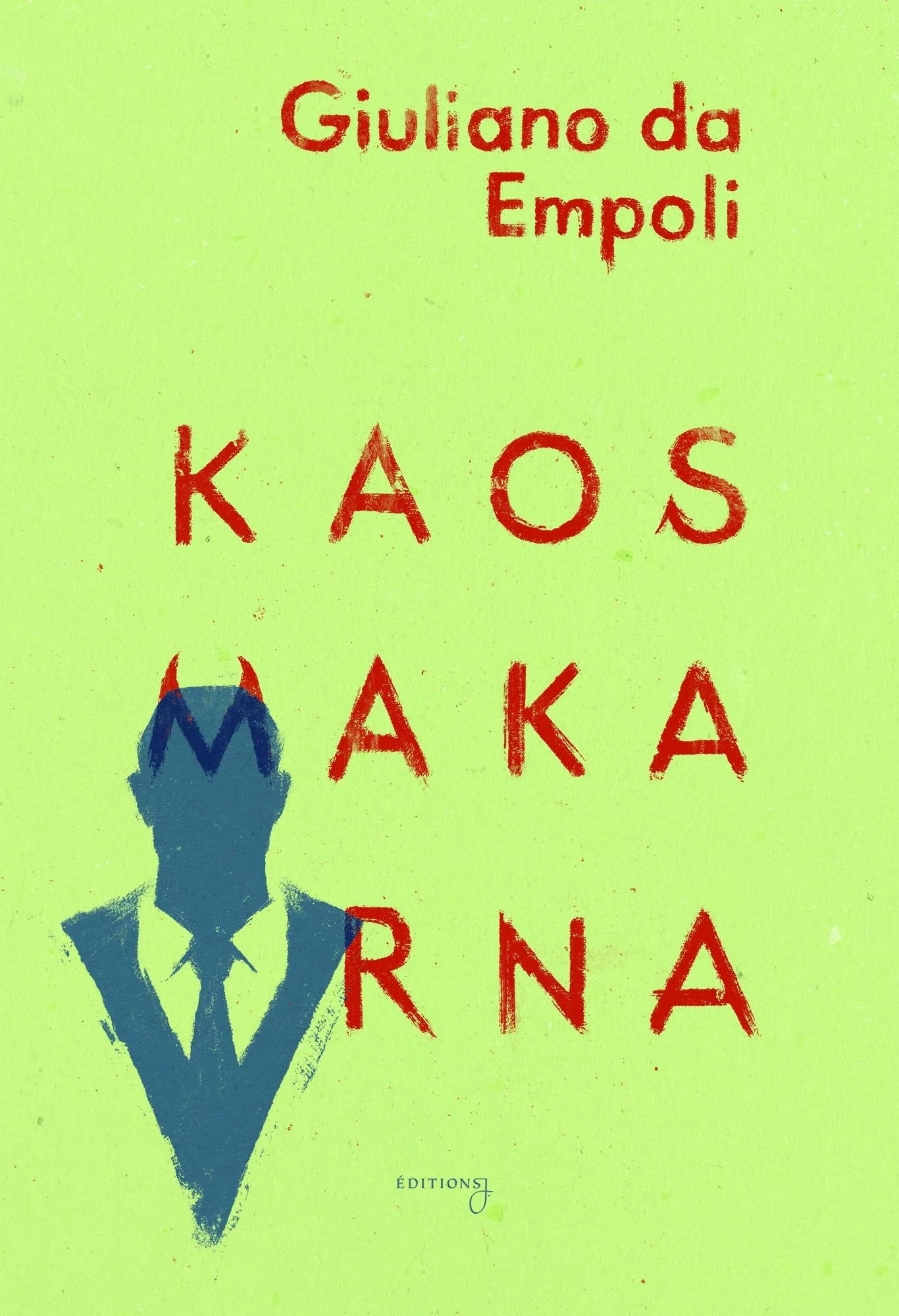
Kaosmakarna / The engineers of chaos. Cover for a book about the people working behind the scenes in politics and businesses and their role in spreading misleading information.
Patrik then tells me about how he views his work now, versus in his early career. “I think there is value in an image simply being appealing and beautiful in itself. In the beginning, I was so focused on it being smart or unexpected. Nature is not about being smart or unexpected — nature is nothing, and at the same time, it’s everything. I want to find that unforced quality. I want my work to feel and look effortless.”
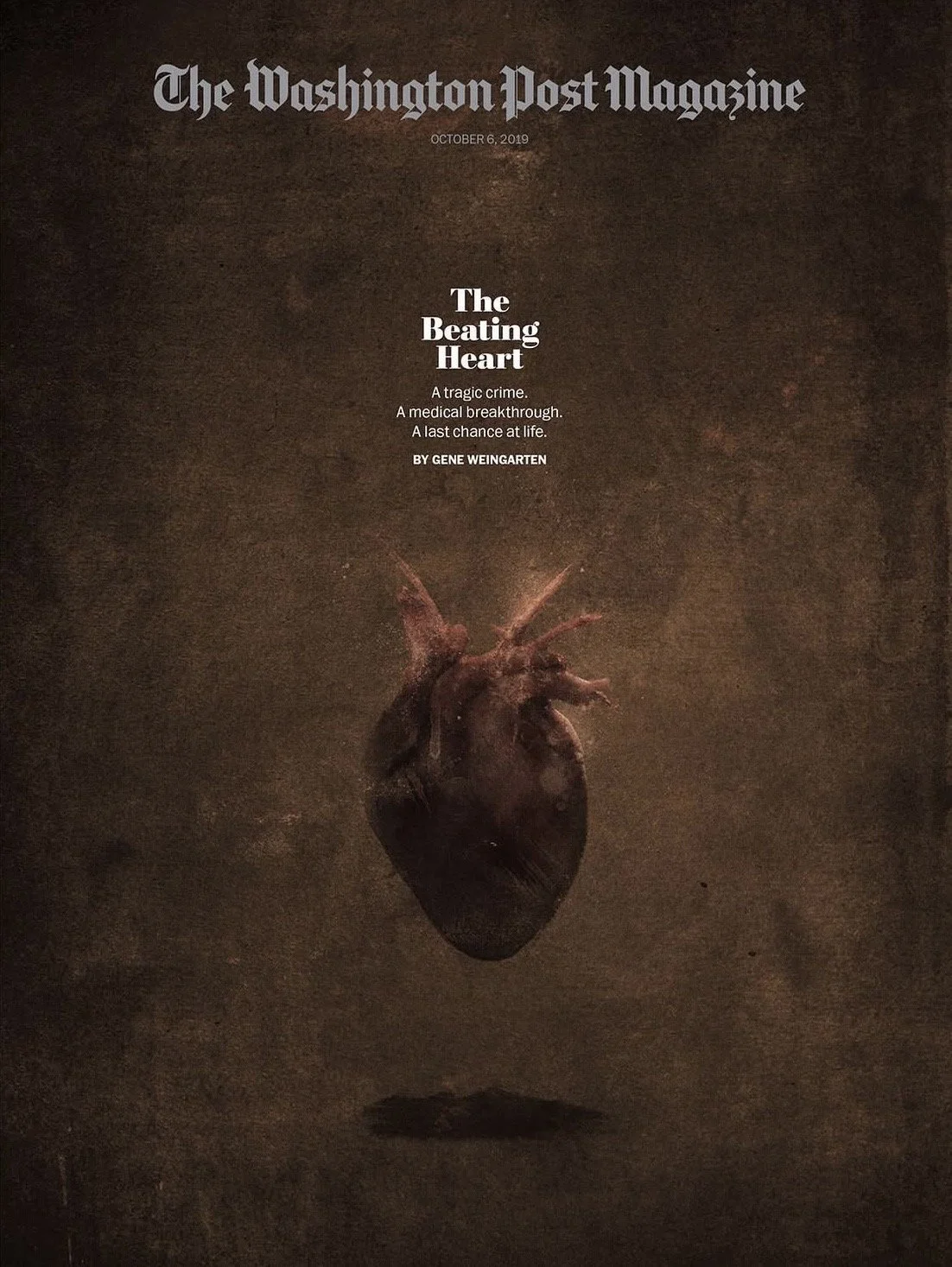

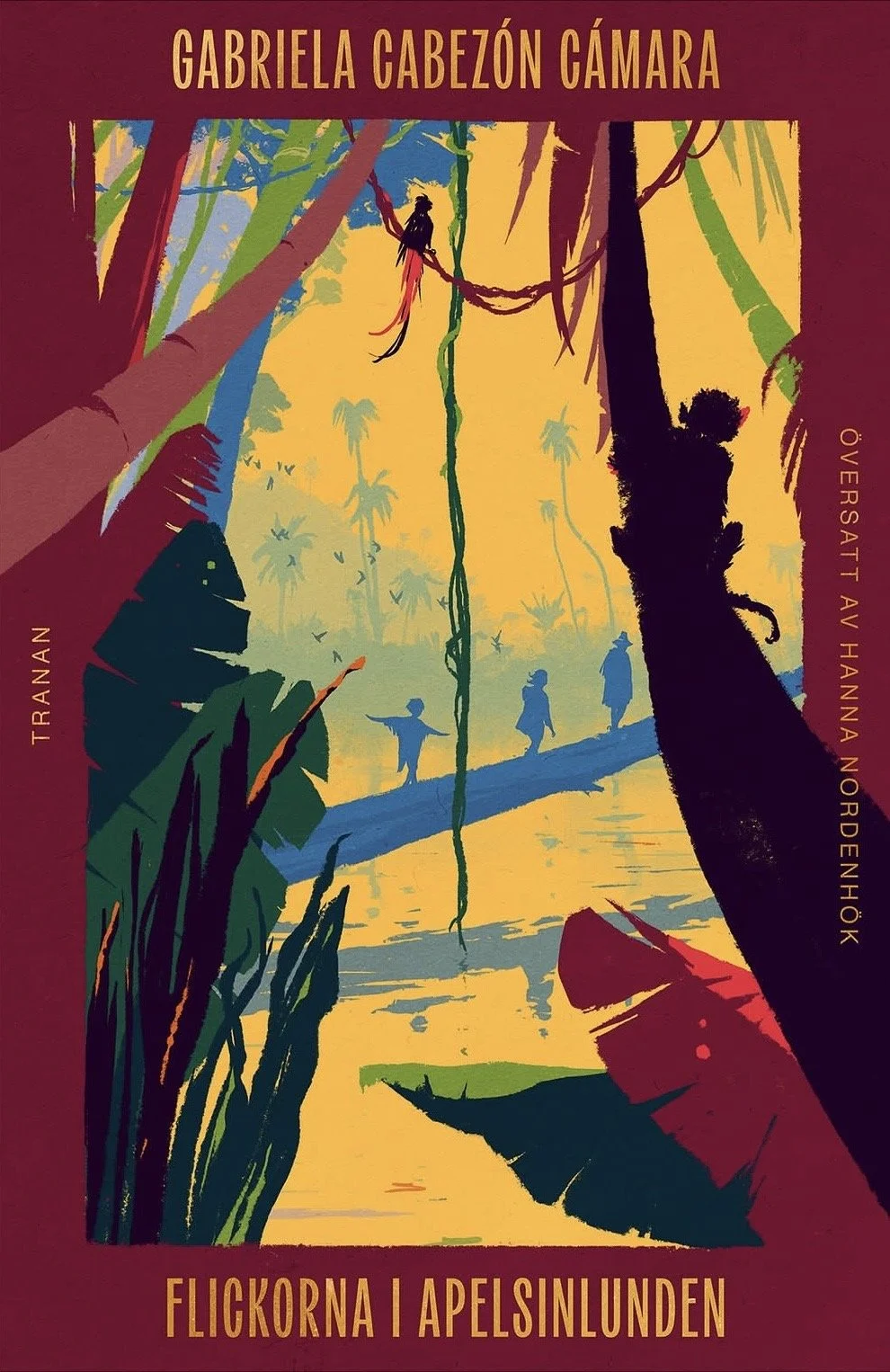

We circle back to those events that eventually led to Patriks current career.
In 2007, he moved to Gothenburg and started working as a tram driver. He did that for about a year, and then enrolled in a freight forwarding program and secured a summer job in the field. He absolutely hated it, and started having anxiety attacks. He tells me it was very hierarchical, and the conversations around the coffee table were boring: static and predictable.
“Then one day I saw an ad on the tram: Graphic Design and Interactive Media. I applied, got accepted, and immediately had a bit of the same feeling I’d had in Skurup—it felt like the right environment,” Patrik says.
Through the program he gained a solid foundation in Adobe Illustrator and Photoshop, and had plenty of time to really focus on developing his skills. At the same time he fell headfirst into Twitter and blogs and started posting his work. He tells me how it was a bit like discovering music.
He found out about illustrators like Christoph Niemann and Noma Bar and their economical use of visual language. "It was a year of soaking everything in—I learned so much, and it turned into a lot of late nights," he says.
Eventually he moved to Stockholm and started freelancing right after finishing his studies. “I remember getting an email from a bookstore chain in Dubai—I thought it was spam,” he says. “They wanted to sell some posters and also needed large, two-meter genre signs, like “Romance” and “Kids Section”. That assignment was what made me commit. I registered as a sole trader and went all in.”
I asked him next how he went about getting paid assignments.
“Basically, I printed my work in A3 and pitched it to loads of potential clients, magazines and publishing houses. I even emailed a London agency—Noma Bar’s Dutch Uncle. It was so strange, and a bit reckless in a way (I was, after all, so inexperienced) I ended up doing work for The Daily Telegraph and Wired, which became a real feather in my cap and something I could show to Swedish newspapers.”
“I got in touch with an agency and started working with Dagens Nyheter fairly early on. At the time, they had a Saturday supplement called DN Världen. I did a cover for a story on El Chapo for them, and I remember going to the Pressbyrån (convenience store) in Hornstull to buy a copy. I can clearly recall the clerk complimenting the cover not knowing I had made it.”
“Just a year later, I went to New York for my first meeting with a New York agency, in the autumn of 2012, and I’m still with them to this day.”
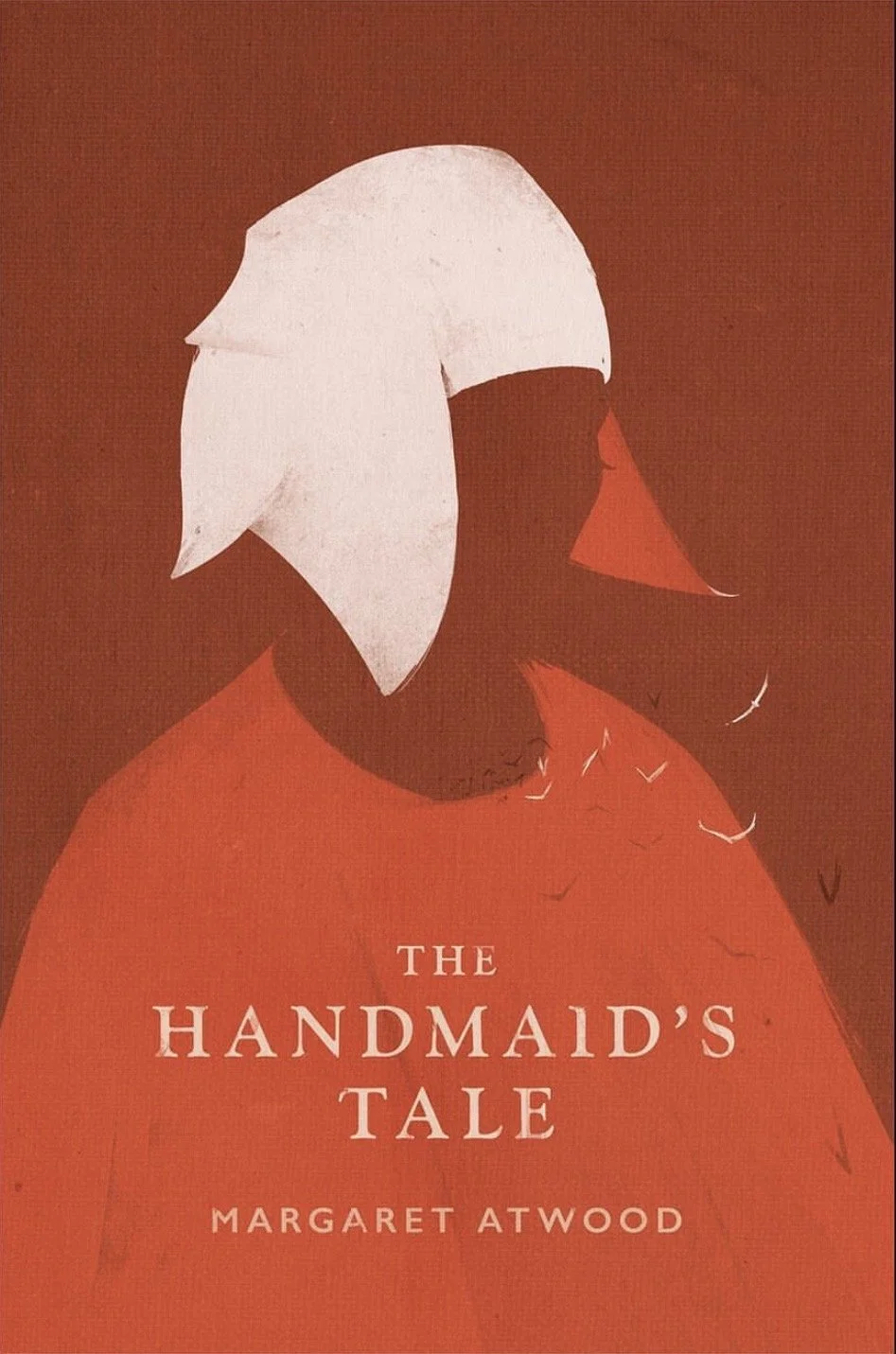
Making the cover for Margarets Atwood’s The Handmaid’s tale was a milestone in Patrik’s career.
“I felt a bit of imposter syndrome when they asked me to do the cover for the new edition of The Handmaid’s Tale by Margaret Atwood.”
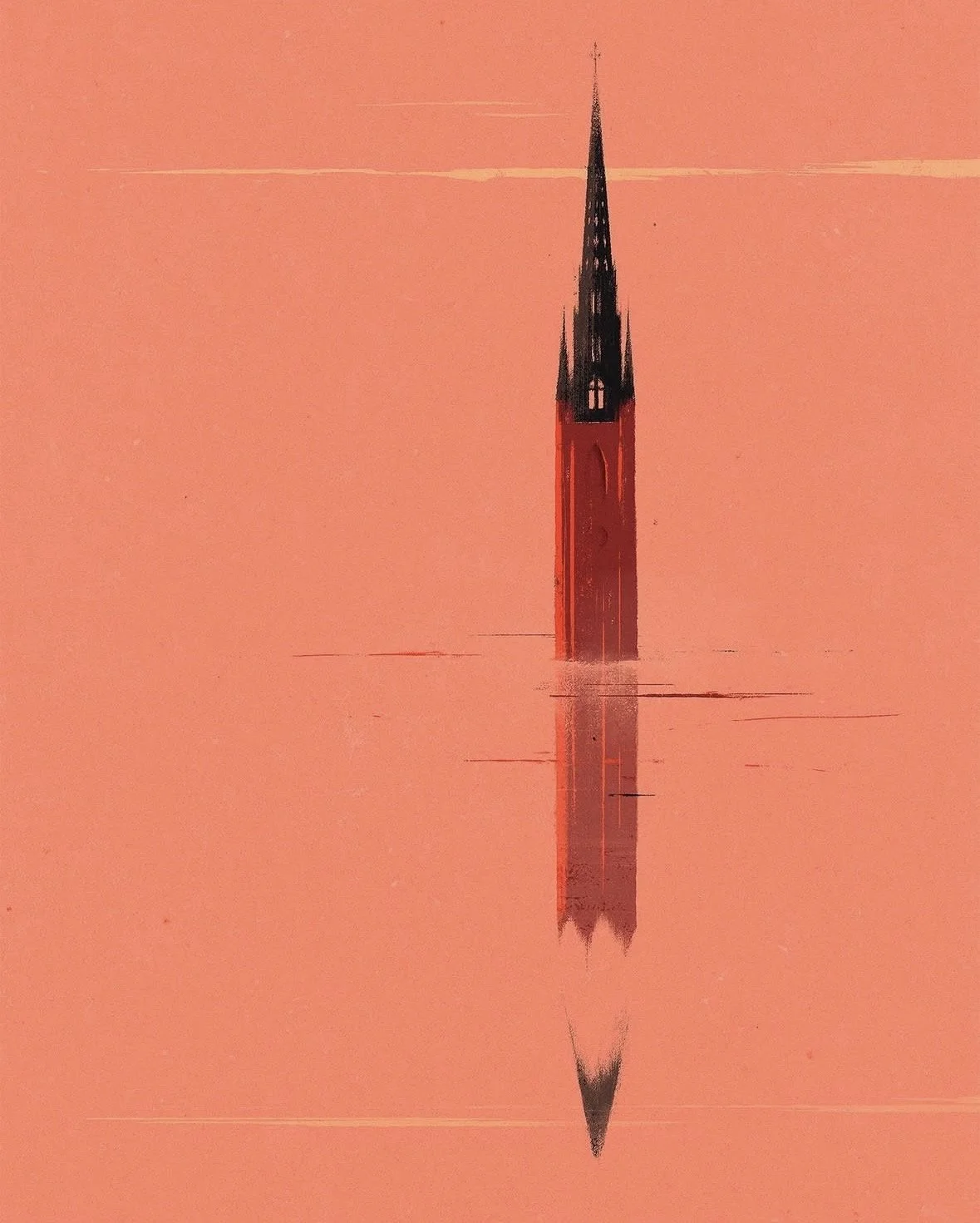
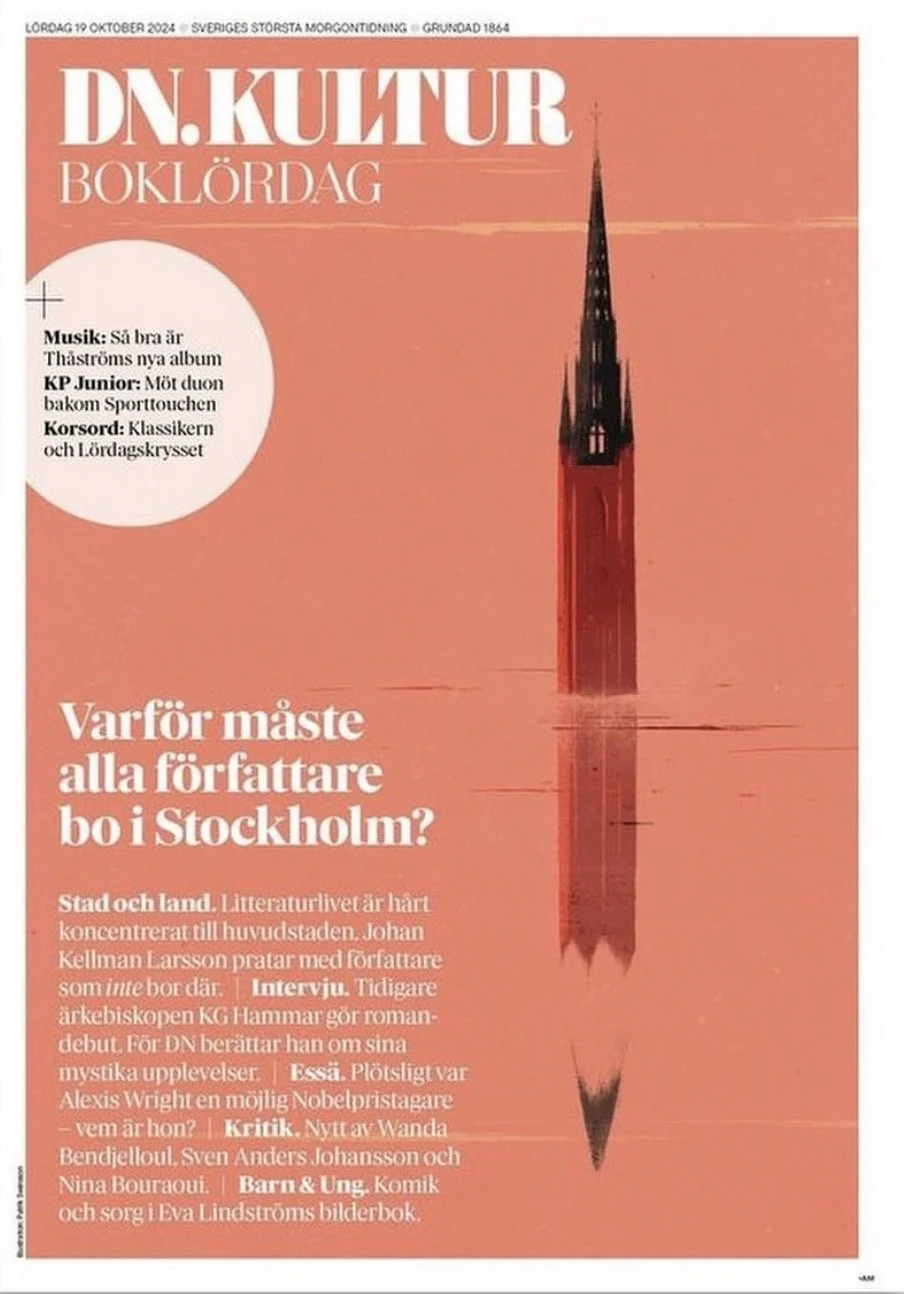
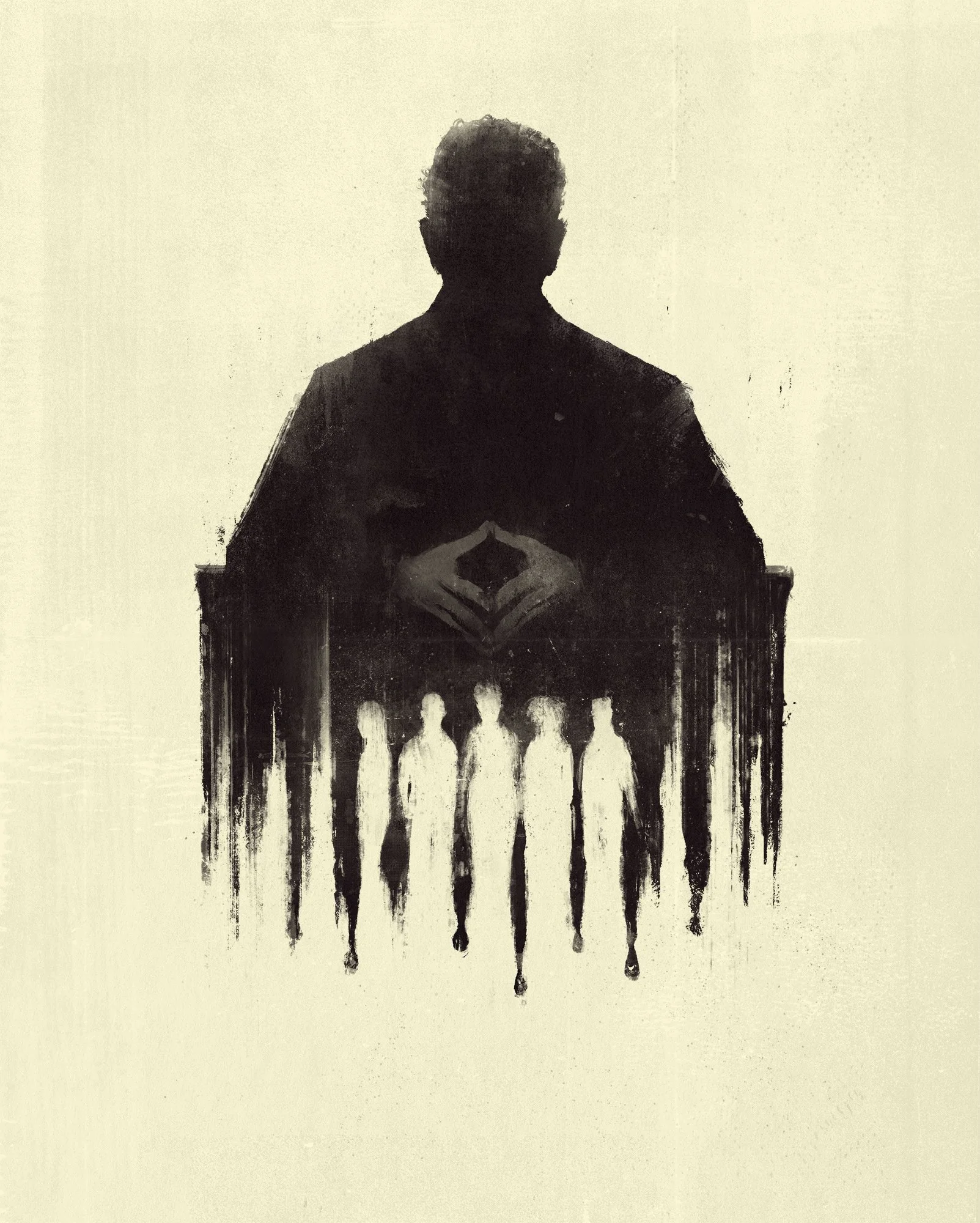
I did a cover for a small Swedish magazine. The article, Alone at the Top, was about school principals. An American publisher contacted me and wanted to use the image for Tara Westover’s memoir Educated, about growing up in a survivalist family. They made a few tweaks to the colours, and the book went on to become a worldwide hit—even Obama praised it. I never imagined it would get so big. It sold millions of copies in countless countries. I still keep in touch with Tara by email, actually.
“But freelancing isn’t always amazing. The pressure and stress are real. Everything rests on my shoulders—finding gigs, paying bills. Even if I have a great month financially, the next two can feel like a drought.”
“My family is my anchor. Without them, I’d probably work all the time, but I don’t want that. I want to come home to my kids. Being part of a family suits me perfectly. It gives me a role, a clear context, and a sense of belonging. There’s even creativity in that dynamic. I’m not much of a party person; my wife is more my sounding board. She’s also my existential support, especially during moments of doubt.”
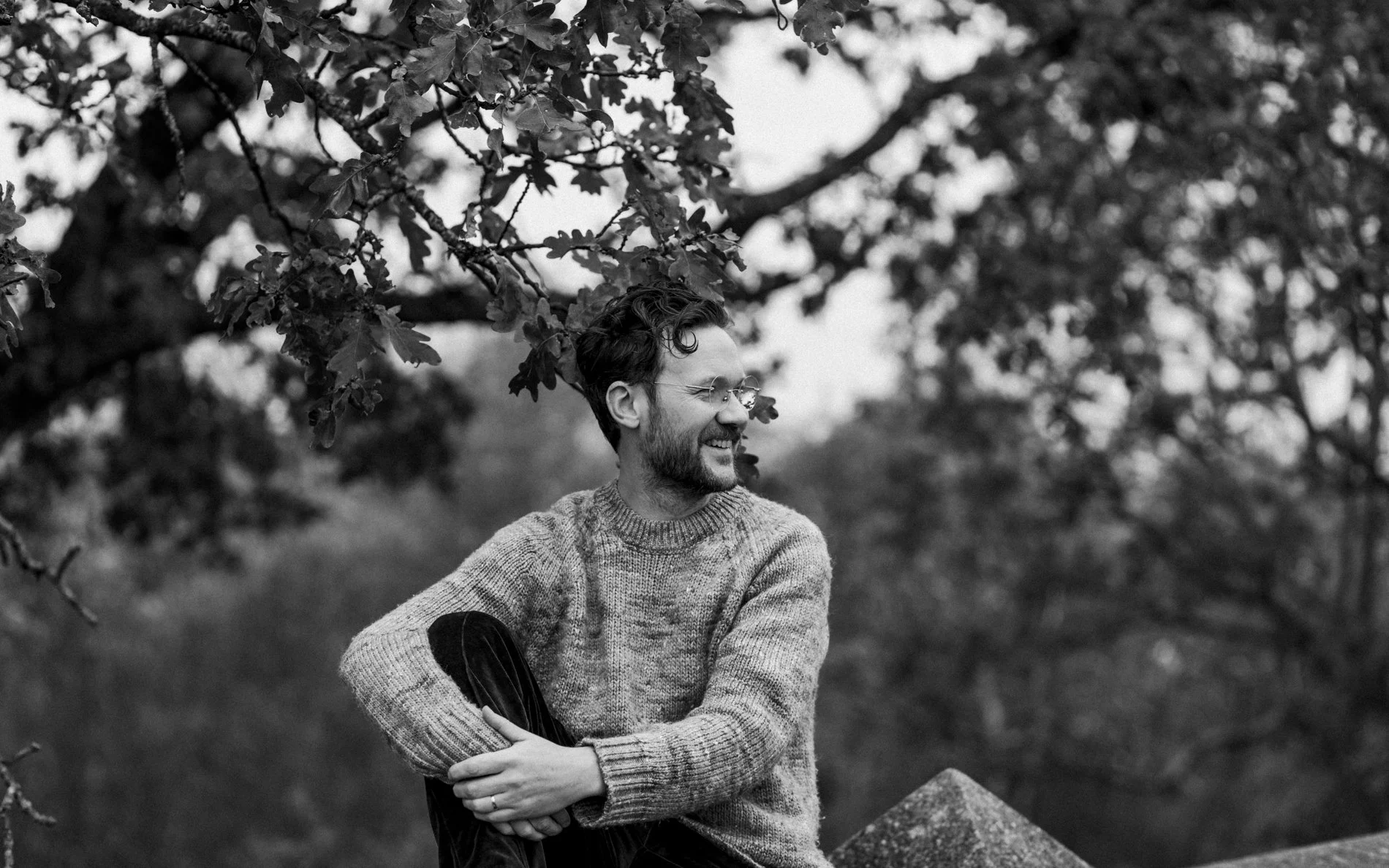
Patrik talks about how he appreciates sharing things online a refers to it as “having a space where my little universe can meet an audience”.
Our conversation moves over to doubts and the fact that freelance life exposes you in different ways.
“I don’t doubt my abilities, and I don’t really get creative blocks—it’s more about bigger the questions, like whether I can sustain an entire career,” Patrik says. “I believe in my style and its ability to outlast trends. Doubt doesn’t always need a concrete reason. There are so many people out there with technical skills and ideas I’d never think of, and that’s okay.”
What gives you goosebumps? The first thing that comes to mind is music. When I’ve got a brief and I know it’s going to turn out well, or when I’m almost done with a project, I’ll take a walk with music in my ears and just feel the goosebumps rise. Someone once said, “I hate writing, but I love having written.” I get that.
Are there any film scenes or lines that stick with you? In Game of Thrones, when Arya Stark has trained with Jaqen H’ghar and is fighting Brienne of Tarth, Brienne asks her at the end, “Who taught you how to do that?” Arya replies, “No one.” That moment completely captivated me.
And the finale of Mad Men—it’s brilliant. It’s like a dramatic take on living undercover, almost Donnie Brasco-style. I don’t think enough people talk about the plot of Mad Men, more about how good it looks. Don Draper ends up at this hippie retreat in the mountains, it’s the ’70s, and he’s sitting in a lotus position. Everyone around him is chanting, and suddenly, he starts to smile as the screen fades into the iconic Coca-Cola ad.
Who do you envy? I sometimes envy people who have that laissez-faire attitude—those who can just shrug and say, “Whatever.” My wife is more like that, and so is her mom. Once, I noticed her mom had her sweater on inside out, and it didn’t even faze her. I wish I could be a little more carefree like that.
A recent “Aha!” moment? The other day, my kids bought one of those toys—a little dinosaur egg you put in a glass of water, and it slowly grows until the egg cracks. It hit me: “Oh, that’s how it works with real animals too? The egg just cracks when they grow?” I’d never really thought about it like that before.
Who would you recommend interviewing and photographing? I’d love to see an interview and photoshoot with the actress Mari Götesdotter. I don’t know much about her, but a few years ago, she narrated a radio series on P1. I would sometimes catch it by chance while driving, and every time, I’d be completely captivated—her voice was both ordinary and ceremonial, sharp and soft, all at once. It made me stop and think.